Touch. The Quiet Power
I like to think massage started when the first beings on Earth - whoever or whatever they were - stumbled, banged themselves on a rock, or sat awkwardly on a rough patch of ground and discovered that by rubbing or pressing the sore area, it made the area physically feel better and made their world a little less heavy, mentally.
Before massage became the multi-billion-pound industry that it is now, with qualifications galore and softly lit treatment rooms with tinkling, soothing (or irritating!) music - there were just hands. Hands kneading sore shoulders, rubbing tired feet and pummelling knotty backs. Hands steadying nerves, offering comfort without words and soothing an upset baby or child. It was simply care.
In the ancient world, everyone was at it and it was completely normal! In China, early records mention acupressure and acupuncture to balance energy, pain, digestion and emotional health. Japan developed pressure-point massage. Egyptian painted tombs depict hand and foot massage. Yoga originated in India and daily oil massage was — and still is — completely normal, like making a cup of tea. The Greeks used olive oil to warm muscles for their training athletes. Rome took it even further by building grand communal bath houses where oiling, scraping and massage was as routine as the tantalising gossip within those walls - and let’s not forget the brave injured gladiators… they must have had a very good rub!
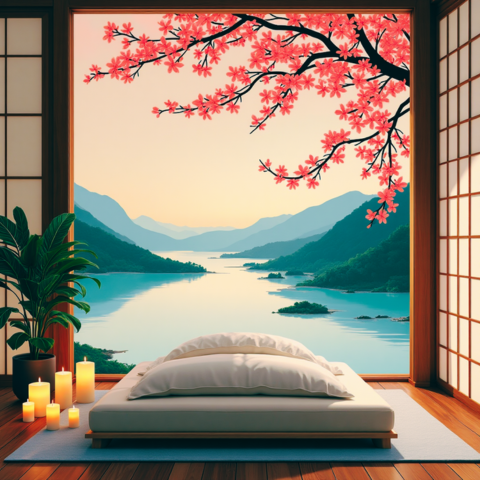
IN THE ANCIENT WORLD
Touch wasn’t awkward at all.
Then it all got a bit weird….
We got busier and busier, working harder and harder than ever, and then along came all this super technology, making everything so quick so we did even more. These days, a lot of the ‘hardest’ work is just sitting on our bums, tapping away on keyboards, scrolling on phones or staring at screens - and let’s be honest, it’s not doing our bodies or our mental health any favours. We get stiff, sore and achy, barely moving enough to keep our muscles working and thinking about our mobility long-term. Of course, there are people who are on their feet all day but even then, there is coming home, flopping on the sofa, heading to the pub, or sinking into a cinema or onto a restaurant seat.
Somehow touch has moved out of everyday life and into the realm of ‘luxury’ - into those softly-lit treatment rooms or worse, it became something smutty and sexualised, and sometimes it no longer feels like a safe space. Most people now go weeks, sometimes longer, without being touched in a way that is genuinely supportive and caring. No wonder we’re all going around as tight as a stuck jam jar lid.
We may have moved away from these wonderful, relaxing rituals but our bodies haven’t. We still touch to make it better without thinking - rubbing a bumped head, placing our hands on our chest when we feel overwhelmed. We still instinctively hug someone when they look like they need it. Touch stimulates nerve endings that signal the brain to activate our parasympathetic nervous system, which calms the body, reducing heart rate and blood pressure.
So here we are, at the start of a new year. Let’s take the ‘luxury’ label away from massage altogether. It shouldn’t be a luxury - I hate that word anyway. Everything’s a ‘luxury’ these days, even cheap tat. Massage should be part of everyday life, a necessity even. It promotes kindness and connection - an act that demands nothing except your presence. It’s ancient, instinctive and brilliant - it’s being cared for and suddenly everything feels a bit better.